FitnessQ50 · Strength & durability for men 45+

Over 45, out of the gym for years, and not sure where to start? Start here.

After 45 the hard part is starting and sticking with it: a busy calendar, a movement that needs a different exercise, and weeks when sleep goes sideways. FitnessQ50 is a 12-week full-body strength plan built for that: two to four sessions a week, every set stopped short of failure, a listed alternative for every exercise, and workouts that automatically ease off when your sleep or energy check-in says to. Training, not medical advice: if you have a health condition, take medication, or have pain, check with a qualified professional first.

Free gets you the first two weeks of the program - the real thing, complete sessions included. No card required.

Start here

Straight answers to what is actually bothering you.

Getting started, sticking with it, swapping exercises, planning protein - one training problem per post, what to actually do, no hype. New post every Wednesday.

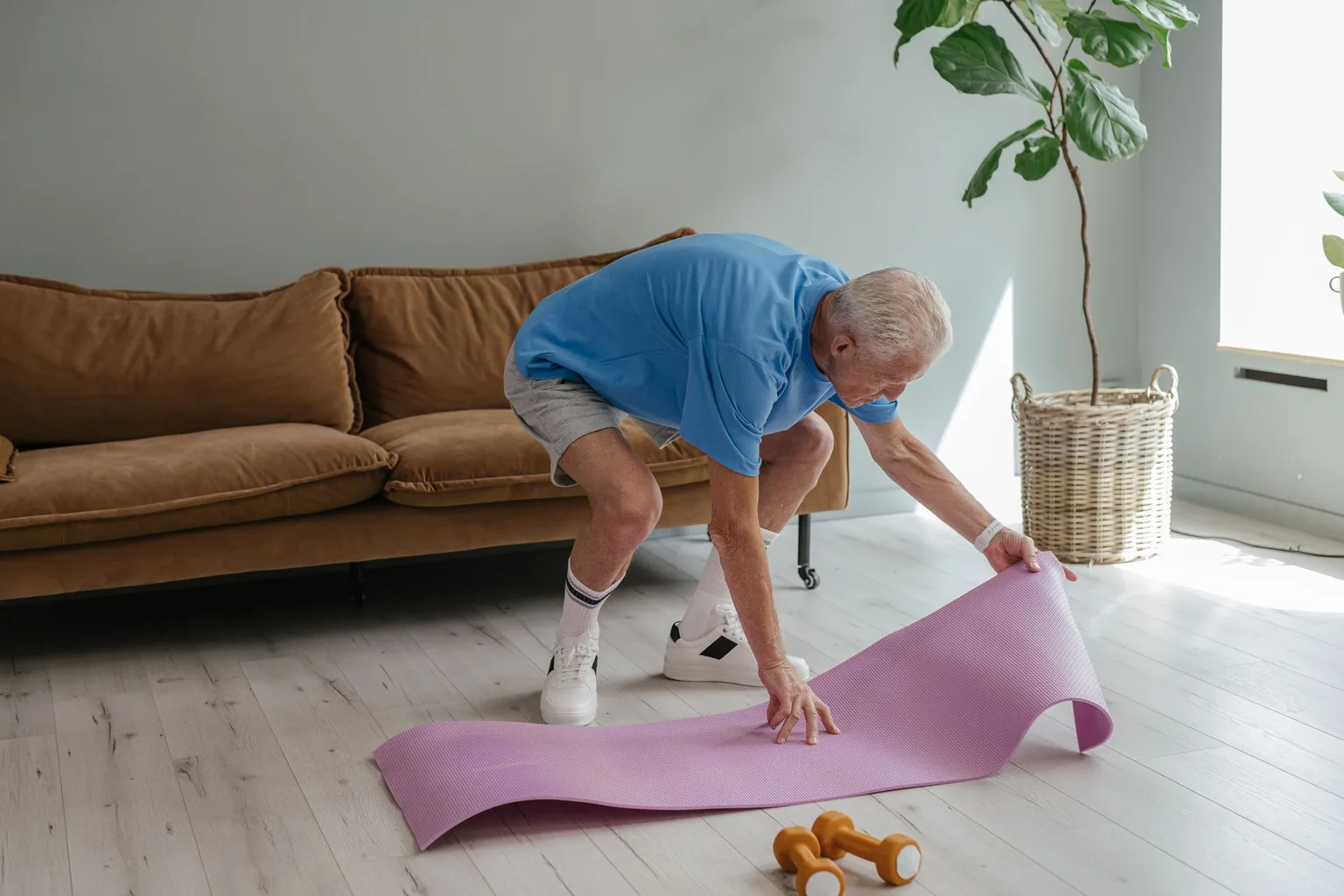
Man in his 50s unrolling an exercise mat at home with his dog nearby

Latest · October 14, 2026

The warm-up is part of the workout now: programming it for the 45+ client

After 45, the warm-up stops being a formality and becomes load-bearing training. What belongs in it, how long it runs, and why skipping it is the most expensive five minutes in the program.

A coach giving a cue to a man in his 50s doing a kettlebell goblet squat in a gym

October 7, 2026

What to tell your 45+ client about his midsection goal

The midsection is the number-one stated goal of the 45+ male client and the number-one source of garbage advice. The honest frame: train for strength, plan the meals, measure what the program controls.

Hand circling a training day on a wall calendar with a marker

September 30, 2026

Two days done beats five days planned: programming the 45+ real week

The 45+ client's calendar is the program's real constraint. Why two anchored sessions outperform five aspirational ones, and how to build the minimum effective week.

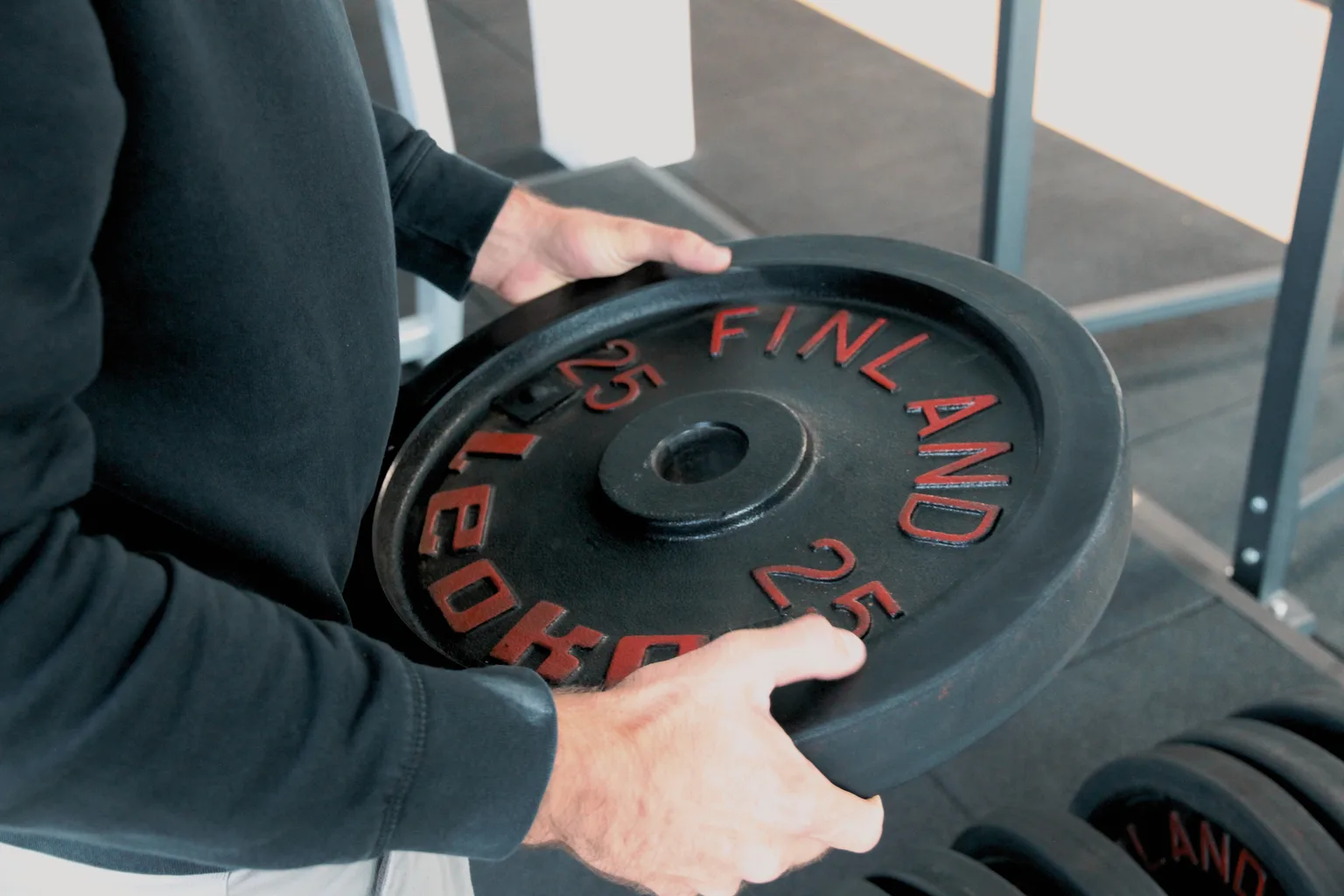
Hands holding a pair of small 1.25 kilogram weight plates in the gym

September 23, 2026

Progress for 45+ clients comes in the smallest jumps available

Why fractional plates and rep-first progression outperform macho jumps after 45, and how to program the slow ramp so clients feel the wins.

Man asleep in a dark bedroom beside a glowing alarm clock

September 16, 2026

Your 45+ client slept five hours. His workout should know that.

Sleep debt changes what a 45-year-old can recover from, and a program that ignores it converts bad weeks into quit weeks. The sleep-adjustment protocol.

Man in his 50s pressing a barbell overhead with a trainer supervising in the gym

September 9, 2026

How to measure your 45+ client's progress without a single max test

One-rep maxes are the wrong instrument for men over 45. The progress markers that show real adaptation, keep egos out of the gym, and give you retention-ready proof.

Man in his 50s performing dumbbell lateral raises in a dimly lit gym

September 2, 2026

Joint-friendly programming for the 45+ male client isn't a disclaimer - it's the exercise list

Men over 45 arrive with a history: the shoulder, the knee, the back. The exercise-swap system that keeps every pattern in the plan, and why it beats both standard answers.

Man in his 50s walking his dog along a gravel path in the evening light

August 26, 2026

Cardio without the punishment: the engine session

One or two relaxed sessions a week - incline walking, the bike, the rower - at a pace where you could hold a conversation. Easy conditioning that fits around lifting, never punishment cardio.

Overhead view of a breakfast table with eggs on toast and a bowl of yogurt with fruit

August 19, 2026

Protein after 45: the per-meal rule most men miss

A simple protein habit for training after 45: plan 30-40 grams into each main meal, fix the breakfast gap, and stop leaving it all for dinner.

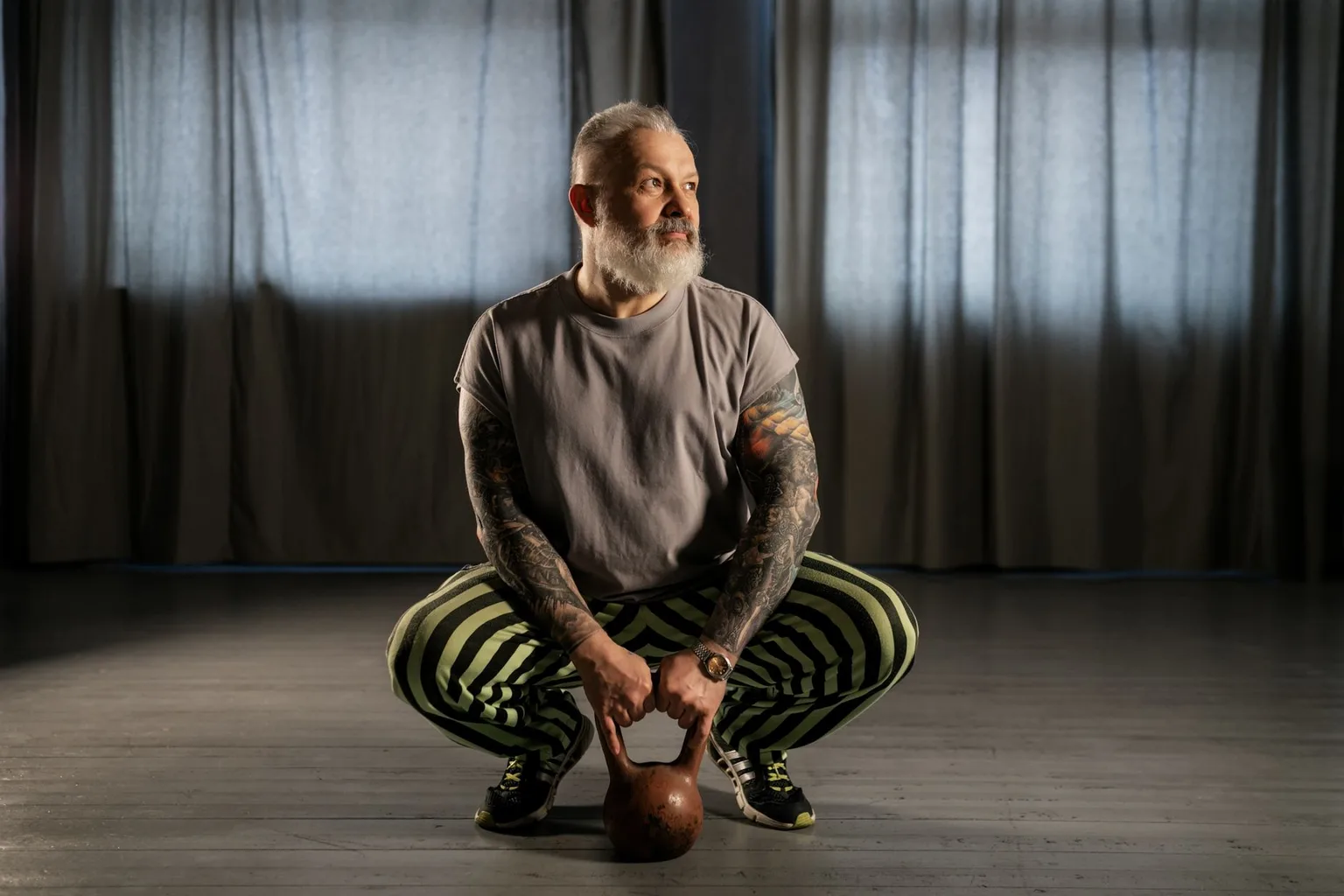
Older bearded man holding a kettlebell in a deep squat in a dim gym

August 12, 2026

The 90-second jump habit for men over 45

Lifting is the main event. On any day, ninety seconds of small hops or step-offs adds the landing practice most training weeks skip.

Man carrying a gym bag up a flight of stairs on his way to train

August 5, 2026

The rough-week rule: how the plan reads your recovery

Tell the app how you slept and feel - a rough week means less work, never more weight. The feature that makes the program survivable for a man with a job, a family, and a history.

Loaded barbell racked on a red power rack in the gym

July 29, 2026

Every set stops two reps short - why grinding is banned

No max tests, no percentage spreadsheets, no ugly last reps. Why stopping every set with two reps in the tank is the rule that keeps you training for decades.

Strong man in his 50s performing a one-arm dumbbell row at a dumbbell rack in the gym

July 25, 2026

After 45, strength is built in small weekly deposits

Strength after 45 is built the way savings are: small, regular deposits. The frame that changes how you think about every workout: deposits, not heroics.

The problems

No time, no plan, no idea how much to lift. One program covers all three.

Most men over 45 who want to get stronger hit the same three walls. The plan answers each one with structure: what to do, how to adjust it, and how much to lift.

01

No time and no plan

Two to four full-body sessions a week on the big patterns - squat, push, pull, hinge, carry - sized to a working man's calendar. Every session tells you exactly what to do.

02

The exercise that doesn't feel right

Every exercise lists a swap in the notes - box squats, neutral-grip pressing, supported rows, landmine work - so a movement that doesn't suit you changes the exercise, never the training week. The plan never asks you to push through pain.

03

Not knowing how much to lift

No max tests and no spreadsheets: weights are set by how the set should feel and go up in the smallest jumps once every set feels crisp. Strength checks every few weeks show the numbers moving.

The difference

Built for the man with a job, a family, and a busy week.

Generic programs

Written for a 25-year-old's recovery.

Max-effort sets, %1RM spreadsheets, and a schedule that assumes you bounce back overnight. Two bad-sleep weeks and the plan is over - not because you quit, but because it was never built for your life.

FitnessQ50

Heavy-ish and crisp, never a grind.

Every set keeps two reps in the tank. Your check-ins adjust the workload automatically - a rough week means less work, never more weight. Lighter weeks are built in, not negotiated. You'll never be asked for a one-rep max - progress is measured with safe strength checks every few weeks, and the numbers will move.

How we program it

Your numbers drive the plan.

Three blocks, twelve weeks

Foundation (weeks 1–4): two 40-minute full-body workouts a week at an easy, controlled effort - the habit comes before the weight. Build (weeks 5–8): three days a week, adding a few reps or a little weight week by week, plus a little optional impact work. Sustain (weeks 9–12): up to four days, finishing with simple power moves - kettlebell swings and sled pushes, never Olympic lifts.

Recovery drives the workload

Tell the app how you slept and how you feel. A 4-out-of-10 day means your next workout keeps the same exercises but drops about 40% of the sets - a rough week means less work, never more weight. Two rough weeks and the program steps itself down. Patience is the method - small jumps, steady weeks, and a plan you can keep running.

Protein is a training variable

Protein targets you can actually hit: 30–40 grams per meal, because a per-meal number is easier to plan than a daily total. Your daily target is set from your body weight and tracked at check-in. Supplements are optional and never prescribed.

Easy cardio keeps the engine

One or two relaxed sessions a week - incline walking, the bike, the rower - at a pace where you could hold a conversation. Easy enough to recover from, never punishment cardio.

When reading turns into training

The program the posts come from.

Every rule in the articles - the two reps short, the rough-week scaling, the smallest jumps - is the program itself, not marketing copy. This is what a training day actually looks like inside it.

Today · Full-body strengthWeek 3 · Day 1

FitnessQ50 · Build phase

Goblet squat - 3 × 8-10Logged

RPE 6-7 · smallest plate jump when all sets feel crisp

Romanian deadlift - 3 × 8-10Logged

Hips back, long spine · the hinge pattern, loaded gradually

Farmer carry - 2 × 1 minUp next

Grip is a benchmark here - track the load

Recovery engine

Log a low sleep or energy score and your next workout keeps the same exercises but drops about 40% of the sets - a rough week means less work, never more weight. Two rough weeks and the program steps itself down for you.

Start today

Start your first two weeks this week.

Free is a real two-week start - full workouts and check-ins included. When the habit sticks, Pro unlocks the other 10 weeks: workouts that adjust to you, progress benchmarks, stay-on-track support, for $19/mo, and your first 21 days are free if you're new to Pro. Already work with a coach? Connecting them is free. Founding members - the first 100 - lock $12/month for life.

Starter · Free

$0

The first 2 weeks of the program

  • The first 2 weeks of workouts - complete sessions
  • Quick check-ins that adjust your next workout
  • A daily protein target, tracked at check-in
  • Weeks 3–12 - the rest of the program
  • Workouts that adapt to every check-in
  • Progress benchmarks you can see
Start free
ProMost popular

$19 /mo

or $180/yr · 21 days free for new Pro members

  • Everything in Free
  • The full 12 weeks - Foundation, Build, Sustain
  • Every check-in adjusts your next workout
  • Strength benchmarks that show your progress
  • Stay-on-track nudges for the rough weeks
Start Pro